
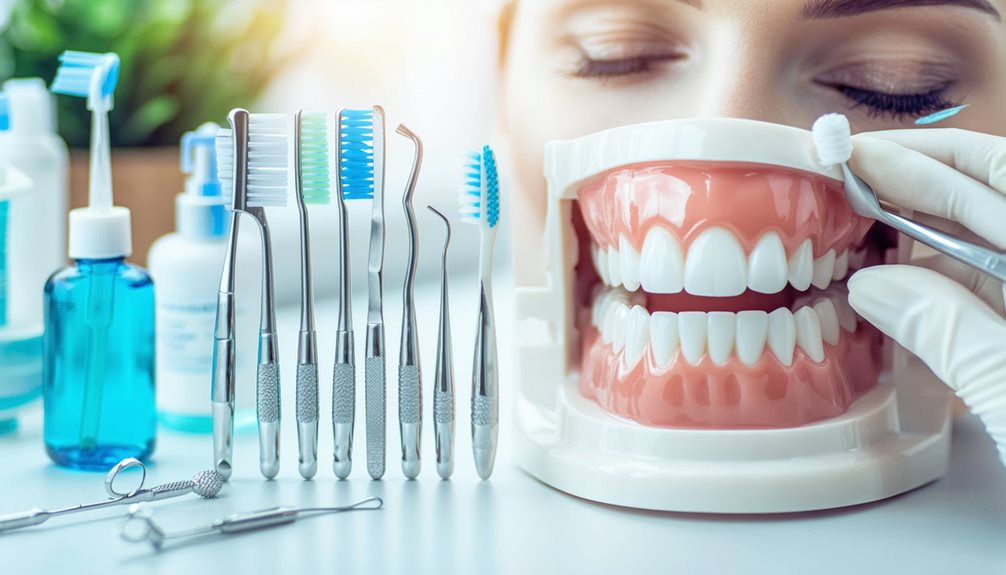
To guarantee periodontal health, adhere to these top dentist-approved tips. Regular dental checkups are essential for early gum disease detection and prevention. Employ effective brushing techniques with a soft-bristled toothbrush at a 45-degree angle to the gums and a commitment to a two-minute routine. Daily flossing is critical for reaching areas a brush can’t, effectively removing plaque. A balanced diet strengthens gums—prioritize calcium-rich and vitamin C-laden foods while limiting sugar. Avoiding tobacco products is important, as tobacco severely impairs gum health. Each of these strategies contributes considerably to periodontal health, and exploring them further can enhance your oral care routine.
Maintain Regular Dental Checkups
Regular dental checkups are a cornerstone of effective periodontal prevention, providing an essential opportunity for early detection and intervention of gum-related issues. These appointments allow dental professionals to identify potential problems before they escalate into more serious conditions, ensuring peak oral health.
While the recommended checkup frequency may vary based on individual needs, biannual visits are generally advised. For those with specific risk factors, such as a family history of periodontal disease or smoking, more frequent visits might be necessary.
Dental anxiety, however, is a common barrier that deters many individuals from maintaining regular checkups. Innovative approaches, such as sedation dentistry and the implementation of virtual reality environments, are transforming the dental experience, making it more comfortable and less intimidating. These advancements aim to alleviate apprehension and encourage consistent dental care.
Moreover, maintaining regular checkups fosters a proactive approach to oral health, allowing for personalized care strategies. By addressing issues like gingivitis early on, patients can avert the progression to periodontitis, a more severe form of gum disease.
Consequently, embracing regular dental visits is a pivotal step in periodontal prevention, combining traditional practices with modern solutions to meet the needs of today’s innovative-minded individuals.
Practice Effective Brushing Techniques
When it comes to periodontal prevention, practicing effective brushing techniques is paramount for maintaining ideal oral health. The importance of proper brushing cannot be overstated, as it forms the cornerstone of periodontal disease prevention.
Utilizing the right dental tools enhances the efficacy of your oral hygiene routine. An electric toothbrush, for instance, can be a game-changer due to its ability to deliver consistent and excellent brushing pressure and motion.
Mastering the art of brushing involves more than just moving a toothbrush around the teeth. Begin with a soft-bristled brush or an electric toothbrush with a gentle setting to avoid damage to the gum tissue. Position the toothbrush at a 45-degree angle to the gums, using short, gentle strokes to clean the outer, inner, and chewing surfaces of the teeth.
Pay close attention to the gum line and back teeth, which are often neglected.
Innovation in dental tools has led to toothbrushes with built-in timers, guaranteeing the recommended two-minute brushing duration is achieved. Additionally, brushing twice daily, complemented by a routine check of dental tools for wear, guarantees they remain effective.
Embrace these techniques to reduce plaque buildup and prevent periodontal complications.
Floss Daily for Gum Health
In addition to effective brushing techniques, flossing daily is a fundamental practice for maintaining gum health and preventing periodontal disease. While brushing is essential for cleaning the surface of the teeth, flossing targets the interdental spaces where toothbrush bristles may not reach. This targeted approach is critical for removing plaque and food particles that can lead to inflammatory responses and subsequent gum disease.
To maximize the benefits of this practice, employing proper flossing techniques is imperative. Begin by using a piece of dental floss approximately 18 inches long, allowing enough length to securely wrap around each finger for better control. Gently slide the floss between each tooth using a sawing motion, avoiding forceful insertion that could harm the gum tissue.
Curve the floss in a C-shape against the tooth, ensuring it reaches below the gum line to remove any hidden debris.Innovative tools, such as water flossers and interdental brushes, can complement traditional flossing by offering alternative methods to maintain gum health.
Choose a Balanced Diet
A balanced diet plays an indispensable role in supporting periodontal health by providing necessary nutrients that strengthen gums and teeth. The integration of nutrient-rich foods into daily meals guarantees the body receives crucial vitamins and minerals that bolster oral tissues. Foods high in calcium, such as dairy products and leafy greens, are instrumental in maintaining strong teeth.
Vitamin C, found in citrus fruits and vegetables, is essential for gum repair and resilience, preventing inflammation and bleeding.
Moreover, the strategic reduction of sugar intake is critical in periodontal disease prevention. Excessive sugar consumption fuels harmful bacteria in the mouth, leading to plaque formation and gum disease. Innovative dietary choices, like replacing sugary snacks with fruits and nuts, can markedly reduce this risk.
Additionally, whole grains and lean proteins, such as fish and poultry, provide a balanced intake of nutrients that support overall oral health.
Adopting a diet abundant in nutrient-rich foods not only fortifies the gums and teeth but also aligns with broader health goals. By conscientiously managing sugar intake and prioritizing necessary nutrients, individuals can foster a robust foundation for long-term periodontal health, paving the way for a healthier future.
Avoid Tobacco Products
Despite the well-documented health risks associated with tobacco use, its detrimental impact on periodontal health is often underestimated. Tobacco products, including cigarettes and smokeless tobacco, pose considerable threats to oral hygiene and the integrity of periodontal tissues. Tobacco cessation emerges as a critical strategy for those aiming to maintain ideal oral health and prevent periodontal diseases.
The following points highlight the specific ways tobacco use can harm periodontal health and the benefits of cessation:
-
Impaired Blood Flow: Tobacco reduces blood flow to the gums, hindering the delivery of necessary nutrients and oxygen, thereby compromising the healing process.
-
Increased Plaque Accumulation: Smokers have higher levels of bacterial plaque, which contributes to gingivitis and periodontitis, both of which can lead to tooth loss if untreated.
-
Altered Immune Response: Tobacco weakens the immune system’s response, making it more challenging to combat infections and inflammation within the oral cavity.
-
Delayed Recovery: Post-dental procedure recovery is often slower for tobacco users due to impaired tissue regeneration and overall healing.
Innovative strategies for tobacco cessation can greatly enhance oral hygiene outcomes. By prioritizing cessation, individuals can safeguard their periodontal health, reducing the risk of long-term oral complications.
Emphasizing the cessation of tobacco use is an essential component of a thorough approach to maintaining oral and periodontal health.
Frequently Asked Questions
How Do Stress Levels Impact Periodontal Health?
Elevated stress levels can exacerbate periodontal health issues by increasing inflammation and reducing immunity. Effective stress management, incorporating relaxation techniques, can mitigate these effects, promoting innovative approaches to enhance overall oral health maintenance and periodontal disease prevention.
Can Genetics Influence My Risk of Periodontal Disease?
Genetic predisposition greatly influences periodontal disease risk, with familial patterns indicating hereditary factors play an essential role. Innovative research in genetics suggests personalized prevention strategies may effectively mitigate these inherited risks, enhancing overall periodontal health management.
Are There Specific Mouthwashes Recommended for Gum Health?
Several mouthwashes are formulated with ingredients such as chlorhexidine and essential oils, known for their antibacterial properties. These compounds effectively promote gum health by reducing bacterial plaque, thereby preventing periodontal disease. Consult a dental professional for personalized recommendations.
How Does Hormonal Change Affect Periodontal Health?
Hormonal fluctuations, particularly during pregnancy, can considerably impact periodontal health, increasing the risk of gingivitis and periodontitis. Elevated progesterone levels may enhance blood flow to gums, causing inflammation, sensitivity, and a greater susceptibility to plaque-induced periodontal diseases.
What Are the Early Signs of Periodontal Disease?
Early signs of periodontal disease include gingival recession and persistent plaque buildup. These indicators often precede more severe symptoms, signaling the onset of gum inflammation, which if unchecked, can progress to more advanced periodontal complications.
Conclusion
To sum up, ideal periodontal health is achievable through consistent adherence to specific preventive measures. Regular dental checkups facilitate early detection and management of periodontal issues. Employing effective brushing techniques and committing to daily flossing greatly contribute to the maintenance of gum health. Additionally, a balanced diet supports overall oral health, while the avoidance of tobacco products minimizes the risk of periodontal disease. These dentist-approved strategies collectively form a robust framework for preventing periodontal complications and promoting long-term oral well-being.

