
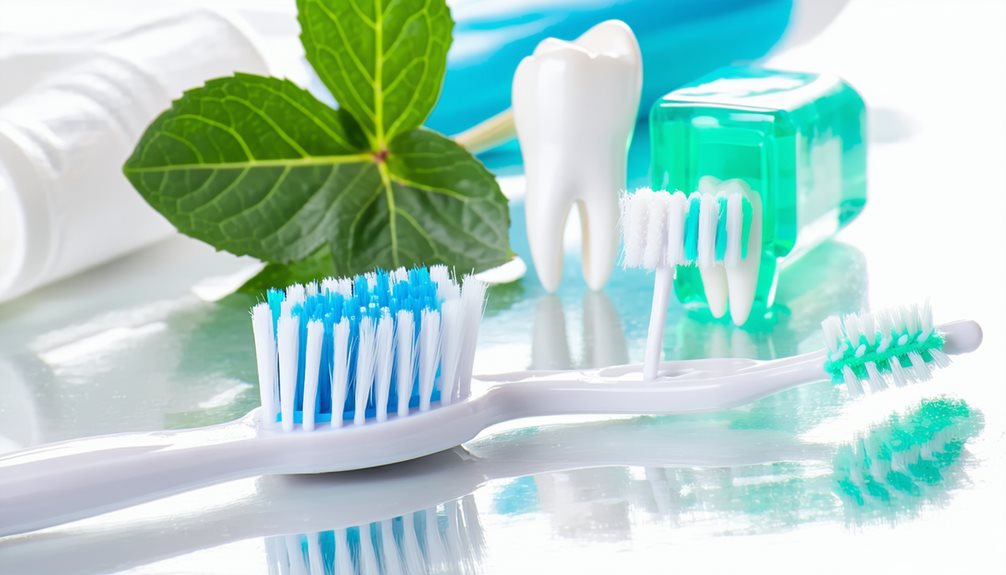
Optimal periodontal health is achieved through a combination of precise oral hygiene and proactive lifestyle choices. Employ the modified Bass brushing technique with a soft-bristled toothbrush and brush for a full two minutes twice daily. Complement this with daily flossing to disrupt interproximal plaque. Select a mouthwash that features antimicrobial agents such as chlorhexidine for enhanced plaque control. Professional dental check-ups are essential for early detection of periodontal issues and thorough oral assessments. A nutrient-rich diet should prioritize antioxidants and probiotics while limiting sugar intake. Finally, the cessation of tobacco use greatly enhances gingival health. Explore more strategies for periodontal importance.
Proper Brushing Techniques
Maintaining ideal periodontal health begins with mastering proper brushing techniques, a cornerstone of effective oral hygiene. The selection of an appropriate toothbrush is paramount; a soft-bristled brush is recommended by dental professionals to minimize gingival abrasion while effectively removing plaque.
Innovations in toothbrush design, such as oscillating or sonic models, offer enhanced cleaning capabilities by disrupting biofilm accumulation more efficiently than manual brushes.
Brushing frequency is another critical factor in maintaining periodontal health. Current clinical guidelines advocate for brushing twice daily, ensuring the removal of plaque and preventing calculus formation. Each session should last a minimum of two minutes to adequately cover all tooth surfaces, including the hard-to-reach areas at the gingival margin.
Employing a systematic approach, such as quadrant brushing, can enhance thoroughness and efficiency.
Technique precision is essential; the modified Bass method, involving a 45-degree angle at the gingival interface with gentle circular motions, is highly recommended. This method optimizes plaque removal without causing undue harm to the periodontal tissues.
Flossing for Healthier Gums
While often underestimated, flossing plays an essential role in achieving ideal periodontal health by targeting interproximal plaque and debris that toothbrushes cannot reach. The meticulous removal of these biofilm accumulations is critical to preventing periodontal diseases such as gingivitis and periodontitis.
Expertly executed flossing techniques can notably enhance oral hygiene by disrupting bacterial colonies that thrive between teeth.
The benefits of flossing extend beyond mere plaque removal; they include the reduction of inflammation and bleeding within gingival tissues, contributing to overall systemic health. Innovative approaches, such as the use of water flossers and interdental brushes, have expanded the traditional flossing paradigm, offering alternative solutions for patients with varying needs and dexterities.
Advanced flossing techniques involve the careful insertion of the floss, forming a C-shape around each tooth, and gently gliding it under the gingival margin to guarantee thorough cleaning.
Incorporating flossing into one’s daily oral hygiene regimen is not merely a recommendation but a necessity for maintaining periodontal health. The integration of these practices fosters a microenvironment that resists pathogenic invasion, ultimately preserving tooth-supporting structures.
As dental health continues to intersect with overall wellness, flossing remains an indispensable component of innovative, preventive periodontal care strategies.
Choosing the Right Mouthwash
Effective periodontal health practices extend beyond mechanical plaque control, incorporating adjunctive chemical aids such as mouthwash to optimize oral hygiene. The selection of an appropriate mouthwash is paramount in augmenting oral health measures, with formulations designed to target specific oral health concerns. Mouthwash effectiveness is contingent upon its active ingredients; consequently, understanding these components is essential for making an informed choice.
Antimicrobial agents like chlorhexidine and cetylpyridinium chloride are clinically validated for their efficacy in reducing plaque biofilm and gingivitis. However, the quest for innovation in oral care has led to an increasing demand for mouthwashes containing natural ingredients. These formulations utilize botanical extracts such as tea tree oil, aloe vera, and eucalyptus, which possess inherent antibacterial and anti-inflammatory properties.
Studies indicate that these natural constituents can enhance oral hygiene while minimizing side effects associated with synthetic chemicals.
Selecting a mouthwash should be tailored to individual periodontal needs, considering factors such as alcohol content, fluoride availability, and potential allergenic reactions. For those seeking sustainable oral care, options with biodegradable packaging and eco-friendly formulations are available, thereby aligning with modern environmental consciousness.
Ultimately, integrating the right mouthwash into one’s daily regimen is a strategic approach to achieving superior periodontal health.
Regular Dental Check-Ups
Regular dental check-ups are a critical component of thorough periodontal care, serving as a preventative measure against the progression of periodontal disease. These appointments facilitate early detection and intervention, thereby safeguarding against the exacerbation of oral health issues.
Dental professionals conduct extensive oral examinations to meticulously assess the condition of the gums, teeth, and supporting structures. This assessment is indispensable in identifying subtle signs of gingivitis or periodontal pockets that could otherwise remain unnoticed.
Incorporating regular check-ups into your dental hygiene routine can greatly enhance oral health outcomes. By leveraging advanced diagnostic tools, such as digital radiography and periodontal probing, dental practitioners can accurately evaluate periodontal status and tailor interventions to individual needs.
This personalized approach is essential in innovating periodontal care, ensuring that any pathological changes are addressed promptly and effectively.
Moreover, these check-ups provide an opportunity for professional dental cleaning, which removes plaque and calculus deposits inaccessible through routine home care.
This prophylactic measure not only maintains oral hygiene but also mitigates the risk of periodontal disease progression.Consequently, regular dental check-ups are not merely routine appointments but pivotal elements in a proactive strategy to achieve and maintain ideal periodontal health.
Adopting a Healthy Diet
A vital component for maintaining periodontal health is the incorporation of nutrient-rich food choices that support the strength and resilience of oral tissues.
Emphasizing foods high in vitamins and minerals, such as calcium, vitamin C, and omega-3 fatty acids, contributes to ideal gingival function and aids in the prevention of periodontal disease.
Additionally, managing sugar intake is essential, as excessive consumption can lead to increased plaque formation and subsequent periodontal complications.
Nutrient-Rich Food Choices
An integral component of achieving ideal periodontal health is the incorporation of nutrient-rich food choices within one’s diet. This approach serves as a pivotal foundation for robust oral health and the prevention of periodontal disease.
Antioxidant-rich foods, such as berries, leafy greens, and nuts, play a vital role in neutralizing free radicals, thereby reducing oxidative stress and inflammation in periodontal tissues. These potent antioxidants enhance cellular repair mechanisms and bolster the immune system’s capacity to fend off pathogenic bacteria.
In addition to antioxidant-rich foods, fermented foods like yogurt, kefir, and kimchi contribute greatly to periodontal health. These foods are abundant in probiotics, which facilitate a harmonious balance of oral microbiota. The introduction of beneficial bacteria through fermented foods can suppress the proliferation of harmful microorganisms, consequently mitigating the risk of gum disease and promoting ideal oral hygiene.
Furthermore, the synergistic effects of these nutrient-rich food categories can improve periodontal therapy outcomes, providing an innovative, non-invasive adjunct to traditional dental treatments.
Sugar Intake Management
Although often overlooked, effective sugar intake management is crucial in mitigating the risk of periodontal disease and promoting ideal oral health. Excessive consumption of sugars, particularly those that are hidden within processed foods, can exacerbate bacterial growth, leading to plaque accumulation and eventual gum pathology.
Innovative dietary approaches can serve as a cornerstone for maintaining periodontal health.
Implementing sugar substitutes offers a strategic advantage in reducing cariogenic potential without sacrificing taste. Substances like xylitol and erythritol not only mimic the sweetness of sugar but also possess properties that may inhibit bacterial adhesion—thus providing a dual benefit to oral health.
To optimize dietary practices and safeguard periodontal health, consider the following strategies:
- Identify and minimize hidden sugars**: Scrutinize nutritional labels** to avoid inadvertent sugar consumption, frequently camouflaged under names like sucrose and high-fructose corn syrup.
- Incorporate sugar substitutes: Opt for alternatives such as stevia or monk fruit, which can satisfy sweet cravings without contributing to plaque formation.
- Prioritize whole foods****: Choose natural, unprocessed options to inherently limit sugar intake and enhance nutrient density.
Adopting these measures can substantially decrease the microbial burden in the oral cavity, fostering an environment conducive to periodontal well-being, while aligning with contemporary dietary innovations.
Quitting Tobacco for Gum Health
Frequently, the detrimental effects of tobacco on periodontal health are underestimated, yet the correlation is unequivocal. Tobacco use, characterized by nicotine and a plethora of harmful chemicals, considerably impairs oral health, compromising the gingival tissues and alveolar bone. The cessation of tobacco consumption is paramount, as it directly influences the potential for gum regeneration and the reversal of periodontal disease.
Innovative periodontal therapies emphasize tobacco cessation as a cornerstone for enhancing gingival healing and regeneration. The pathophysiology of periodontal disease in smokers involves reduced blood flow, impaired immune response, and increased plaque accumulation, which collectively hinder periodontal repair mechanisms. Following tobacco cessation, there is a notable improvement in the gingival blood supply, fostering an environment conducive to tissue regeneration and repair.
Emerging research highlights the role of adjunctive treatments, such as laser therapy and biomodulation, which synergistically enhance gum regeneration post-tobacco cessation. These advanced methodologies, coupled with thorough patient education and behavioral support, considerably boost the success rate of periodontal therapies.
Thus, integrating tobacco cessation into periodontal treatment plans not only mitigates disease progression but also potentiates innovative regenerative strategies, ultimately optimizing periodontal health outcomes. The future of periodontal care lies in embracing these multifaceted approaches to combat the adverse effects of tobacco on oral health.
Frequently Asked Questions
How Does Stress Impact Periodontal Health?
Stress negatively affects periodontal health by exacerbating inflammation and impairing immune response, potentially leading to periodontal disease. Implementing stress reduction techniques alongside rigorous oral hygiene practices can innovatively mitigate these adverse effects, promoting ideal periodontal well-being.
Can Hormonal Changes Affect Gum Health?
Hormonal fluctuations, particularly during pregnancy, can considerably impact gum health, potentially leading to pregnancy gingivitis. These changes increase gingival sensitivity and inflammation, necessitating innovative periodontal care strategies to mitigate adverse effects and maintain ideal oral health.
Is Oral Irrigation Beneficial for Periodontal Health?
Oral irrigation is a beneficial adjunctive therapy for managing gum disease. It effectively reduces plaque accumulation and gingival inflammation, enhancing periodontal health by delivering antimicrobial agents and disrupting biofilm in periodontal pockets, fostering innovative advancements in dental care.
What Role Do Genetics Play in Periodontal Disease?
Genetic markers and family history greatly influence periodontal disease susceptibility. Variations in genes related to immune response and inflammation can predispose individuals to periodontitis, emphasizing the need for personalized preventive strategies in periodontal care based on genetic profiling.
How Does Diabetes Influence Periodontal Health?
Diabetes adversely impacts periodontal health by exacerbating inflammatory responses and impairing wound healing. Effective diabetes management, including stringent glucose level control, is essential for mitigating periodontal disease progression and fostering innovative therapeutic strategies for oral health optimization.
Conclusion
Maintaining ideal periodontal health necessitates adherence to proper oral hygiene practices, including effective brushing techniques and regular flossing to remove interdental plaque. The selection of an appropriate mouthwash can enhance oral cleanliness by targeting harmful bacteria. Consistent dental evaluations facilitate early detection and management of periodontal issues. A diet rich in essential nutrients supports gum health, while cessation of tobacco use mitigates risk factors associated with periodontal disease. Collectively, these measures contribute to sustained periodontal well-being.

